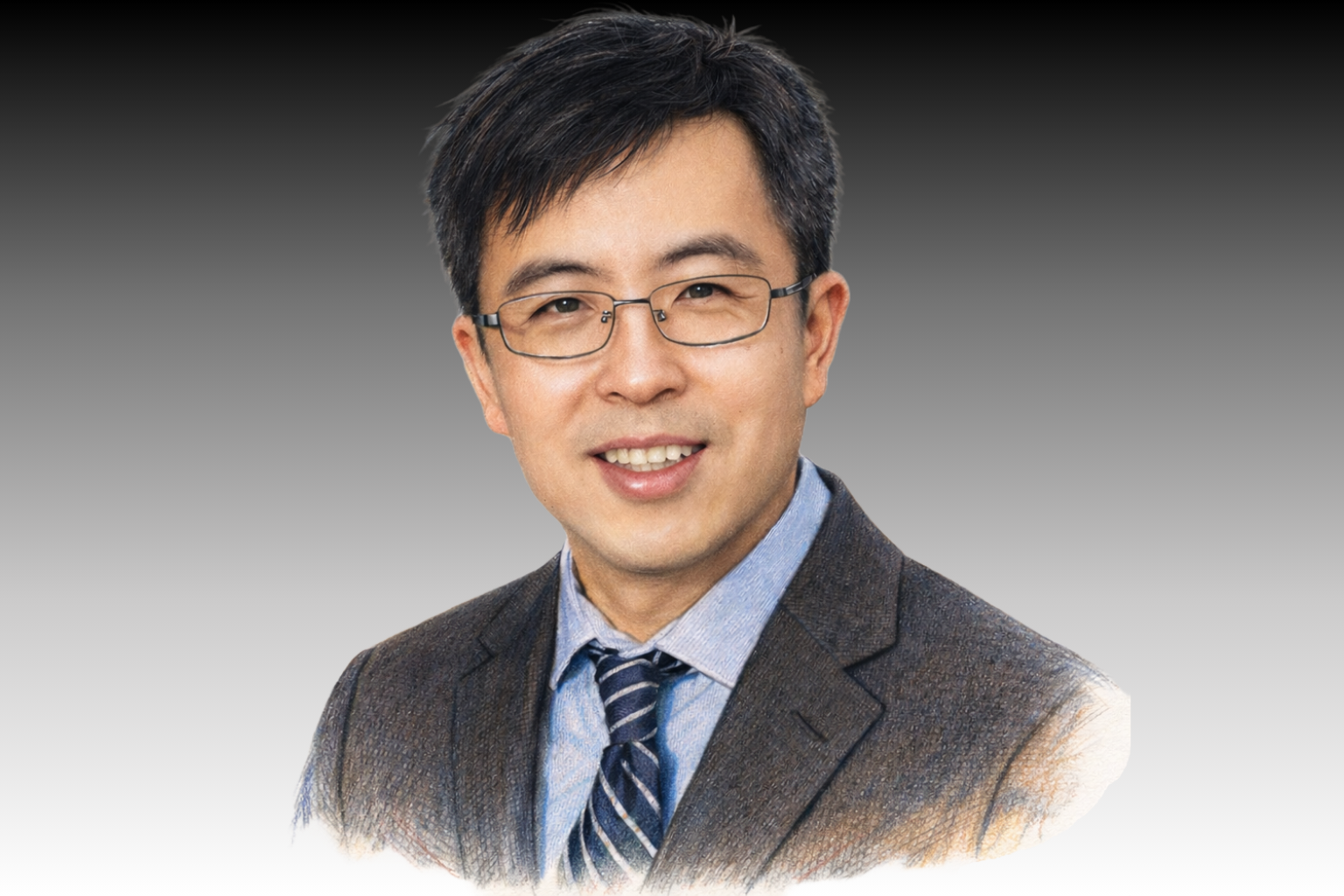
About Dr. Ruopeng An
I work with scholars and organizations who want to apply AI and data science to improve health and social equity, but need clarity amid hype, fragmented evidence, and legitimate concerns about bias and unintended harm.
As an Endowed Professor at NYU Silver and Director of the Constance & Martin Silver Center on Data Science and Social Equity, I translate rigorous methods into practical decisions—starting with the real-world problem, choosing the right analytic tools, and building guardrails for responsible use.
If you’re interested in collaboration, a speaking invitation, training, or partnership through the Center, I welcome a conversation—so we can move from promising ideas to credible, ethical impact.
Lastest Books
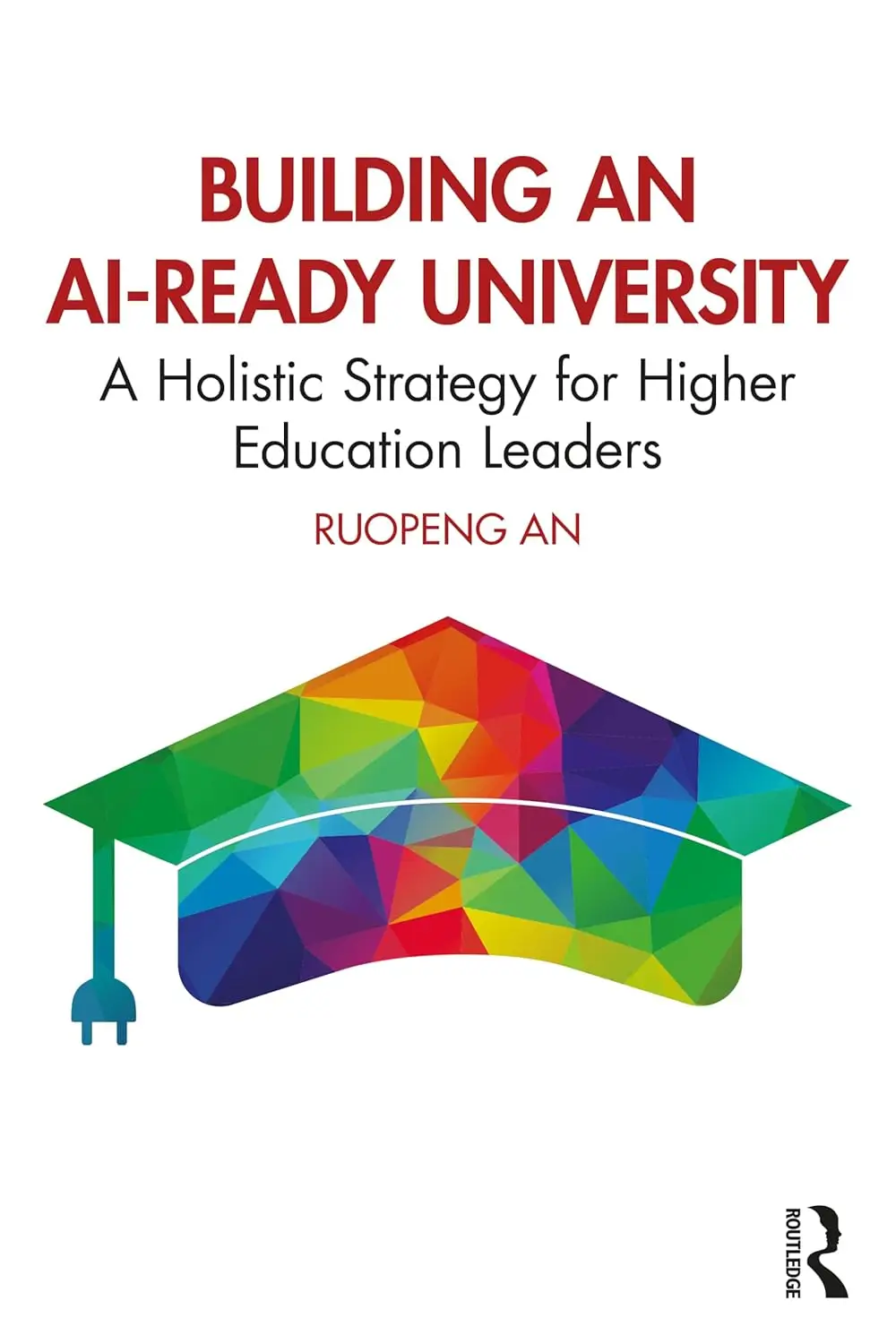
“An invaluable field manual and playbook for colleges and universities coming to terms with the imperative of artificial intelligence. It pairs insight and perspective with checklists, guardrails, and decision templates that hold up under real-world constraints. Use it to move from isolated pilots to enterprise capability across teaching, research, operations, and governance. Rigorous, ethical, and relentlessly practical—required reading for anyone charged with making AI work on campus.”
Michael M. Crow, President, Arizona State University
“AI adoption in higher education is ultimately about people—trust, capability, and shared purpose. Building an AI-Ready University provides leaders with a humane and practical path: equip faculty and staff, communicate honestly, design small wins, and scale what works. With concrete tools and case studies, it balances urgency with care and rigor with compassion, so progress strengthens community rather than frays it. This book is a steadying and actionable guide for leaders in a demanding moment.”
Beverly Wendland, Former Provost and Executive Vice Chancellor for Academic Affairs, Washington University in St. Louis
“This book gives higher education leaders a shared language and practical strategies to take charge of our technology future. It shows us where AI creates value, when it creates risk, and how to manage both through shared governance, data stewardship, and capacity-building. Pragmatic, equity-minded, and actionable, it helps institutions move fast without breaking faith with their mission.”
Dr. Charlton McIlwain, Vice Provost at NYU, Author of Black Software
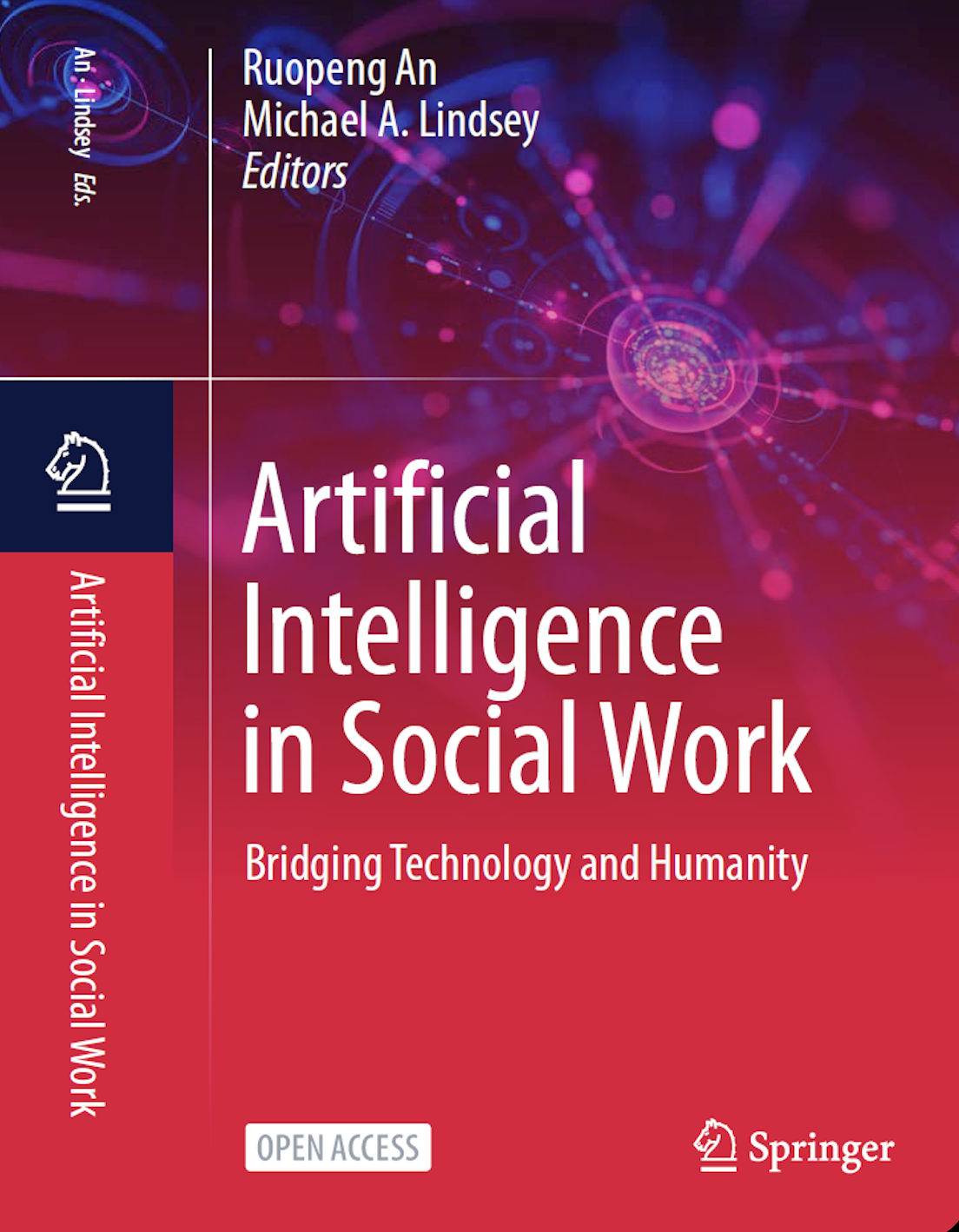
This open access book is a comprehensive examination of how artificial intelligence (AI) is transforming the field of social work across practice, education, and research. This topic is particularly important to the field at this time due to the rapid integration of AI technologies into societal structures and the increasing demand for social services that are efficient, effective, and ethically sound. The book provides timely insights into how AI can be harnessed to address complex social issues while maintaining the core values of social work. It emphasizes the critical need for professionals to understand and navigate the ethical implications of AI, ensuring that technological advancements serve to enhance, rather than compromise, human well-being.
Organized into five parts, the book begins with a foundational overview in Part I, introducing the role of AI in transforming social work. Part II explores AI applications responding to social needs, covering critical areas such as poverty, child welfare, health care, mental health, substance abuse, support for older adults, communities at risk, criminal justice, and human trafficking prevention. Part III delves into AI’s impact on social justice in changing contexts, including advocacy, environmental challenges, the evolving workplace, and international issues. Part IV focuses on AI in social work education and research, highlighting how AI tools enhance learning and scholarly inquiry. Part V addresses ethical considerations and future directions, discussing challenges, governance, and strategies for building AI literacy, culminating in a conclusion that outlines opportunities for AI in social work.
Artificial Intelligence in Social Work: Bridging Technology and Humanity equips social work practitioners, educators, researchers, and students with a deep understanding of AI’s capabilities and implications within various social work domains. The book offers practical guidance on integrating AI into various aspects of social work practice, enhancing service delivery, and improving client outcomes. For educators and students, it provides a framework for incorporating AI literacy into social work curricula, preparing the next generation of professionals for a technologically advanced landscape. Researchers benefit from insights into innovative methodologies that leverage AI for more robust and impactful studies. By intertwining technological advancements with the human-centric values of social work, the book underscores the necessity of balancing innovation with compassion and ethical responsibility.
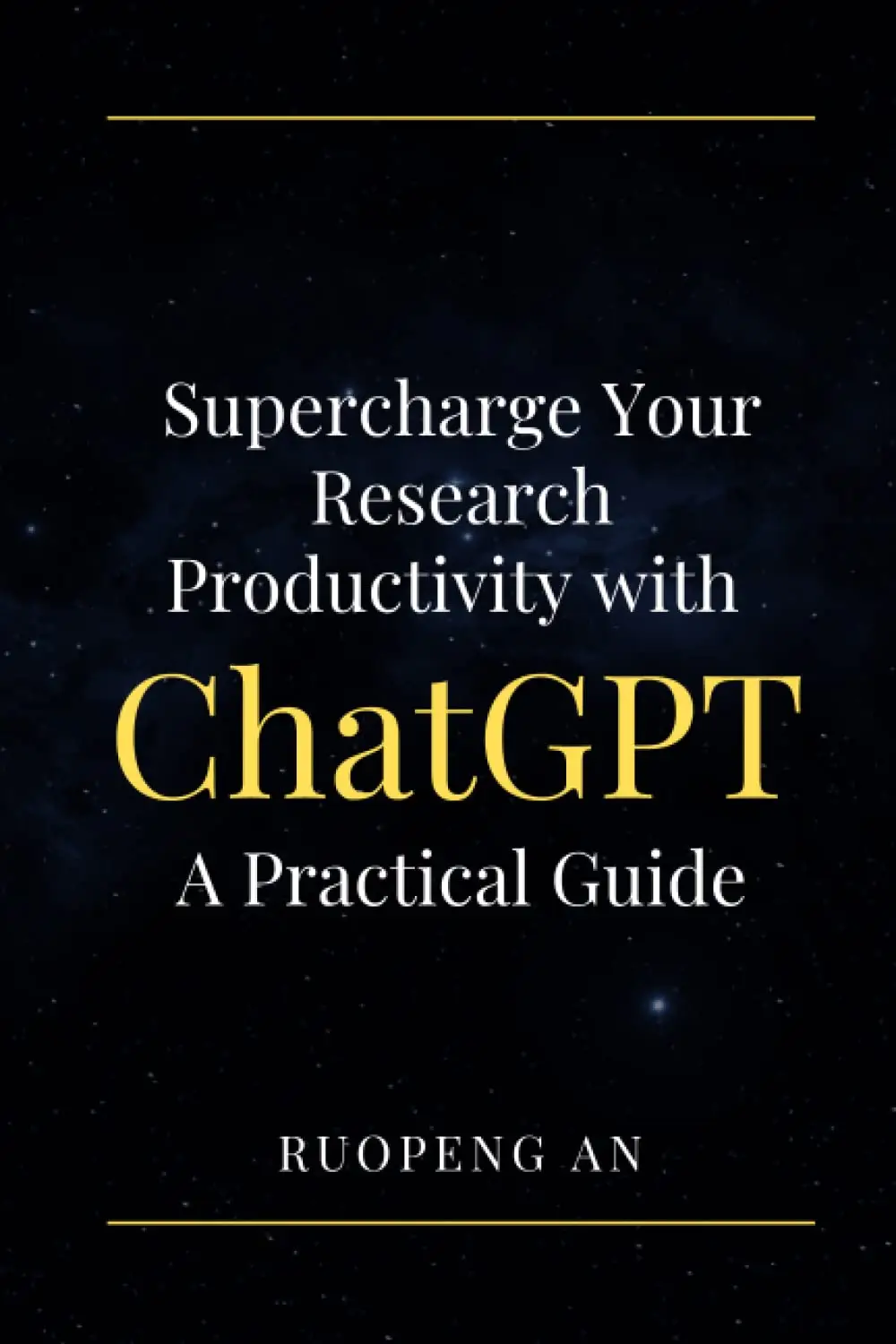
For the first time in human history, we can delve into intricate dialogues with AI on any scientific topic, harvesting insights and inspiration from our mechanical counterparts. Yet, alongside the excitement, there’s a hint of intimidation. The way we conduct research is transforming, and we must evolve alongside it, embracing this unprecedented human-machine partnership.
“If you can’t beat ’em, join ’em” rings true, but the question remains, how can we wield the power of AI models like ChatGPT to fuel our research, boost productivity, and avoid pitfalls? This book strives to answer that critical question.
Using nearly a hundred tangible, real-world research examples, this guide presents a detailed pathway on how researchers, irrespective of their area of study, can employ ChatGPT as a competent research assistant. This guide encapsulates ten easy-to-follow principles to accomplish a vast array of research tasks:
- Identifying research topics and framing questions through an in-depth discussion with ChatGPT
- Formulating and refining hypotheses based on the chosen research question
- Undertaking literature reviews, covering all steps of a systematic review protocol
- Selecting adequate research design and corresponding methodology
- Developing valid, reliable, and efficient research tools
- Handling every aspect of data collection, management, and ethics
- Interpreting and analyzing both quantitative and qualitative data
- Writing and refining research papers and reports
- Addressing peer review comments
- Disseminating study findings through mass and social media platforms
Each of these tasks can be seamlessly accomplished by merely typing prompts into the ChatGPT interface. Dr. Ruopeng An will guide you through this transformative process.
Journal
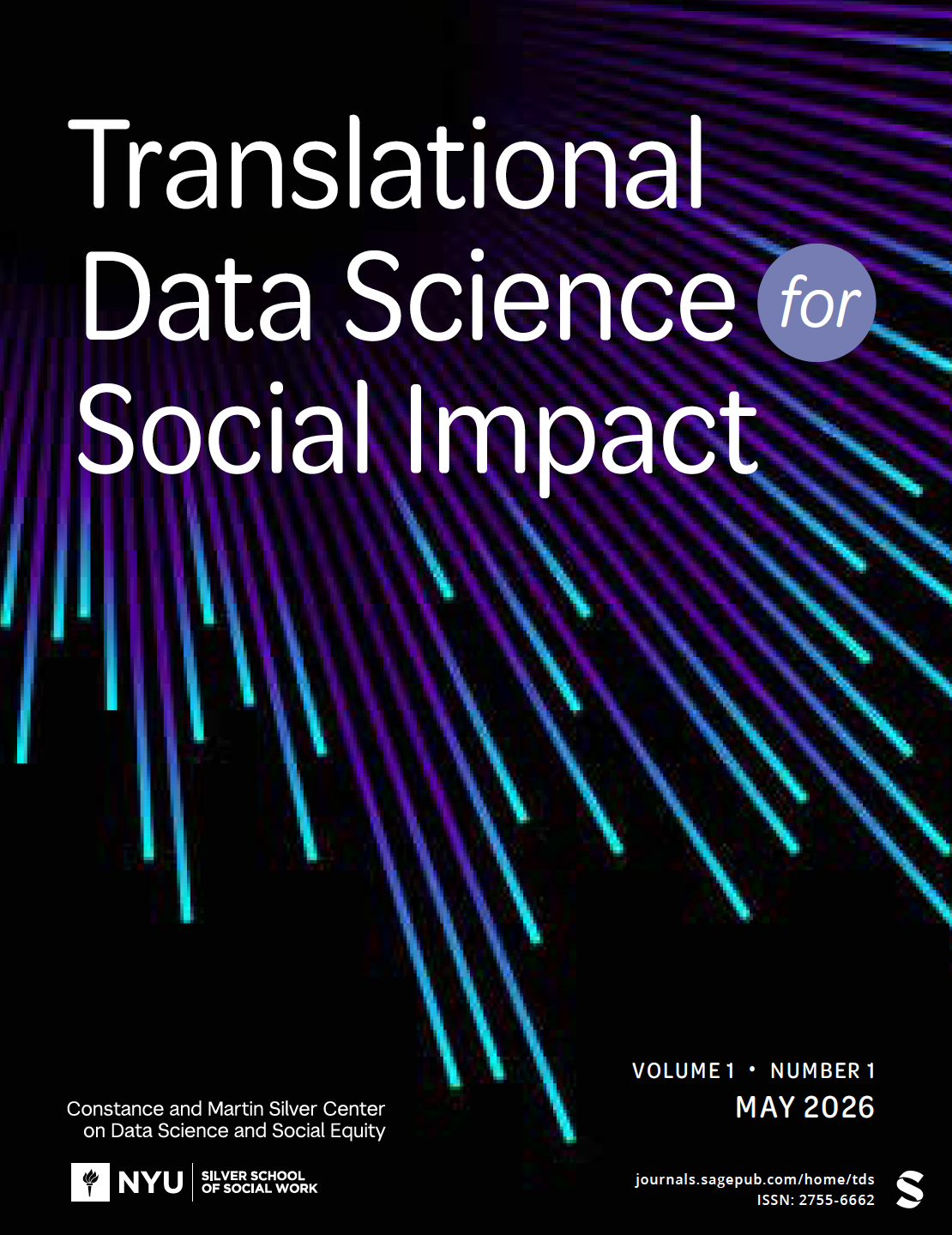
Translational Data Science for Social Impact aims to be the leading international platform for publishing high-quality, peer-reviewed research that integrates data science with social work and allied social science disciplines. Key aims include:
- Advancing the understanding and application of data science to address critical social issues in social work and related fields, covering areas such as mental health, child welfare, and social policy.
- Providing an exclusive forum to bridge data science methodologies with social work and interdisciplinary practices, education, and policies.
- Encouraging interdisciplinary collaboration across social work, data science, public health, sociology, psychology, and related disciplines to enhance intervention effectiveness.
- Promoting ethical data science use in social work and allied fields to ensure applications align with the profession’s values.
The journal will feature original research and reviews on topics including:
- Applications of data science (e.g., machine learning, predictive analytics, data mining) in social work and broader social impact domains.
- Data-driven policy development and social interventions.
- Ethical and responsible data use across social services and related fields.
- Technology-enhanced social services, improving social service delivery through data science.
Schedule

February 11, 2026
Make an Impact Speaker Series - About Data Centers
Forsyth School, St. Louis, MO, USA